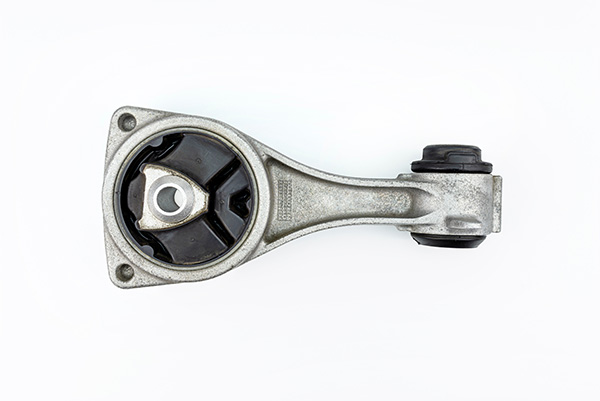
Engine and transmission mounts secure the powertrain to the vehicle while controlling vibration and movement. Most mounts use rubber, hydraulic fluid, or electronically controlled components to absorb engine pulses and prevent them from reaching the cabin.
As mounts wear, the engine or transmission can shift farther than it was designed to. That movement may cause vibration, clunking, damaged hoses, exhaust contact, or stress on axles and wiring. These five signs often indicate that one or more powertrain mounts need attention.
1. Excessive Vibration At Idle
A failing mount often creates noticeable vibration while the vehicle is stopped with the engine running. The steering wheel, seat, floor, or dashboard may shake more than usual, especially when the transmission is placed in Drive and the brakes are held.
The vibration may become lighter when the transmission is shifted into Park or Neutral because the engine is no longer loaded in the same way. Hydraulic mounts can lose their internal fluid, while rubber mounts may collapse or separate. Both conditions reduce the mount’s ability to isolate normal engine movement from the body.
Engine performance problems can create similar vibration. Misfires, uneven idle speed, worn ignition parts, and fuel delivery faults should be ruled out before mounts are replaced. A technician compares engine operation with physical mount movement to identify the actual source.
2. Clunking When Shifting Into Drive Or Reverse
Selecting Drive applies torque through the powertrain in one direction. Selecting Reverse loads the mounts in the opposite direction. A damaged mount can allow the engine or transmission to lift, twist, or shift far enough to create a heavy clunk.
The sound may also appear when accelerating from a stop, releasing the throttle, or changing between forward and reverse movement. A loose bracket, worn control arm bushing, damaged axle joint, or excessive drivetrain clearance can produce a similar noise, so the complete area needs to be checked.
Mount movement is often evaluated while the powertrain is placed under controlled load. The technician watches how far the engine and transmission move and checks whether brackets, exhaust parts, hoses, or nearby components make contact.
3. The Engine Moves Too Much During Acceleration
A small amount of engine movement is normal because the mounts must absorb torque. Excessive movement is not. A failed mount may allow the engine to rock sharply when the accelerator is pressed or when the transmission changes gears.
Drivers may feel a thump through the floor or notice the vehicle lurch slightly as power is applied. The movement can be stronger during hard acceleration because greater engine torque places more force on the mounts.
Excessive powertrain movement can strain several connected parts. CV axles, driveshaft joints, exhaust flex sections, coolant hoses, intake tubes, wiring, and shift cables may all be pulled beyond their intended range. Replacing a failed mount early can prevent damage to components that are still in good condition.
4. New Rattles Or Contact Noises Appear
When the powertrain sits lower or shifts farther than designed, parts that normally have clearance may begin touching the body or subframe. The result can be rattling, knocking, buzzing, or metallic contact that changes with engine speed.
Common contact points include:
- Exhaust pipes and heat shields
- Air intake tubes
- Cooling fan shrouds
- Hoses and fluid lines
- Wiring harnesses
- Engine covers
- Brackets near the subframe
These noises may appear only during acceleration, braking, cornering, or travel over bumps. The engine can move differently in each situation, causing contact that disappears while the vehicle is parked. A road test followed by an inspection helps locate polished metal, damaged insulation, or witness marks showing where parts have been touching.
5. Visible Mount Damage Or Fluid Leakage
Some failed mounts show clear physical damage. Rubber may be cracked, torn, compressed, or separated from the metal housing. A collapsed mount can allow the engine or transmission to sit lower on one side.
Hydraulic mounts contain fluid that improves vibration control. When the internal chamber leaks, residue may appear on the mount or surrounding bracket. The mount can then feel solid and transmit more vibration into the cabin even before major movement develops.
Electronic mounts may change stiffness based on engine speed and driving conditions. A wiring fault, control problem, or internal failure can prevent the mount from responding correctly. These systems may require diagnostic testing in addition to a visual check.
Why Failed Mounts Should Not Be Ignored
A worn mount does more than make the cabin uncomfortable. Excessive movement changes the angle and load placed on connected drivetrain components. Axles and driveshaft joints may operate outside their intended position, increasing vibration and wear.
A failed mount can also allow the engine to strike the body, pull on hoses, damage wiring, or place stress on exhaust connections. Regular maintenance gives technicians opportunities to spot leaking hydraulic mounts, torn rubber, loose brackets, and early contact marks before related parts are damaged.
How Mount Problems Are Confirmed
The technician begins by confirming when the vibration, clunk, or movement occurs. Engine idle quality, transmission engagement, axle condition, exhaust clearance, and suspension components may all need evaluation because several faults can create similar symptoms.
Mount condition is checked visually and under controlled load. The technician looks for separation, leakage, collapsed rubber, loose fasteners, and excessive powertrain travel. Electronic mount circuits may also be tested when the vehicle uses active mount control.
Get Engine And Transmission Mount Repair In Sherman Oaks, CA, With Sherman Oaks Exclusive
If your vehicle vibrates at idle, clunks during gear changes, or allows excessive engine movement, Sherman Oaks Exclusive in Sherman Oaks, CA, can check the engine mounts, transmission mounts, brackets, axles, exhaust, and related components.
Contact us to schedule service before failed mounts place additional stress on the drivetrain.