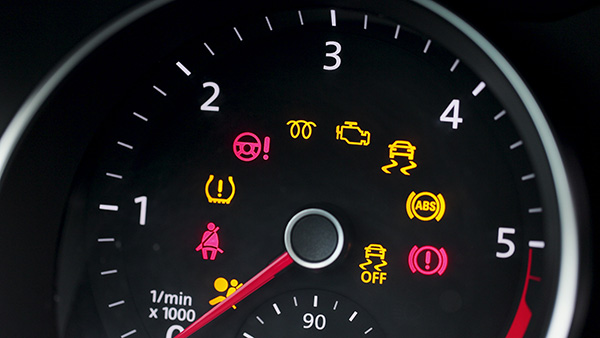
Random warning lights can make you feel like the car is guessing, especially when it still drives fine. If the lights appear right after rain, a wash, or engine bay cleaning, it’s reasonable to suspect moisture. The tricky part is that water doesn’t have to soak a component to cause trouble. A small amount in the wrong connector can be enough.
The real question is how water gets in and what it disrupts.
How Moisture Creates False Signals
Modern vehicles rely on sensor signals and stable electrical connections. If moisture gets into a connector, it can change resistance or create a weak connection that comes and goes as the car vibrates. That can cause sensors to report values that are slightly off, triggering a warning even if the actual part is fine.
Water can also create temporary voltage drops if it reaches a sensitive junction. When the computer sees inconsistent voltage or sensor data, it may store a fault and turn on a light. Sometimes the issue clears when things dry, but the stored code remains until it’s cleared or the system completes enough normal drive cycles.
Where Water Usually Causes Trouble
Most engine bay components are designed to handle normal road splash, but direct water exposure is different. Pressure washing or heavy spray can push water past seals and into areas that usually stay dry. Water can also drip into low points of a harness and collect where several wires meet.
Common problem areas include ignition coil connections, sensor plugs, and fuse or relay boxes. Ground points can also be affected because corrosion or moisture there changes how current returns. During an inspection, we also look at any connectors that sit low or face upward, since those are more likely to hold water.
Warning Lights Most Often Linked To Moisture
The specific light depends on which signal gets disrupted. A check engine light is common because many sensors can trigger it if their readings spike or drop unexpectedly. Traction control and ABS lights can also appear if a wheel speed signal or voltage reference is temporarily affected, even if the brakes themselves are fine.
Misfires are another common symptom, especially if coil boots or spark plug areas are damp. The engine may stumble, then clear up, and then run fine once it heats up. If the car behaves differently along with the lights, that pattern is an important clue.
What To Do If Lights Appear After Water Exposure
Start by avoiding anything that adds stress to the system. If the car is running rough, skip hard acceleration and avoid long drives until you know what is happening. If the engine is misfiring heavily or the car is stalling, it is smarter to stop driving and get it checked.
If the car seems to run fine, give it time to dry and see if the behavior changes over the next day. Still, an inspection is a smart move if the lights stay on or come back repeatedly. You do not want to ignore a real fault because it happened to appear after a wash.
How We Confirm Whether Water Is The Cause
The first step is scanning for codes and looking at freeze-frame data that shows what the car saw when the fault set. Then we check the likely moisture points tied to those codes, such as a specific sensor connector, ignition coil plug, or voltage reference circuit. If we find moisture, the fix is careful drying and cleaning, not blasting it with more spray.
We also look for damaged seals, cracked boots, or broken harness clips that allow water in. Sometimes the issue is not the water itself, it’s that a connector was already loose or the seal was already worn, and water simply exposed it. Fixing that weak point is what prevents the same warning light from returning the next time it rains.
How To Reduce The Risk Going Forward
If you clean under the hood, use a light approach and avoid direct spray at connectors. Cover sensitive areas like fuse boxes and visible electrical junctions, and keep water use minimal. If you do get things wet, allow time for thorough drying before driving aggressively.
Keeping the engine bay reasonably clean can help you spot leaks earlier, but it should be done in a way that does not introduce new issues. This is where regular maintenance helps, because replacing cracked boots, fixing small leaks, and keeping harness clips intact makes the system more resistant to moisture. When everything seals the way it should, rain and normal splash are far less likely to cause odd warnings.
Get an Electrical Inspection In Sherman Oaks, CA, With Sherman Oaks Exclusive
If warning lights come on after rain or engine bay moisture, Sherman Oaks Exclusive in Sherman Oaks, CA, can scan the system, pinpoint the affected circuit, and confirm whether moisture is the real cause or just a coincidence.
Book a visit and get clear answers instead of recurring warnings.